

MEWP Safety Improvement Initiative is a term many HSE leaders in the UAE use to describe a structured, data-driven push to reduce work-at-height risks associated with Mobile Elevating Work Platforms and to embed safer planning, operation, and oversight into day-to-day site routines. Rather than a one-off campaign, an initiative of this kind aligns governance, competency, engineering controls, and behavioral expectations so that operators, supervisors, and permit issuers act consistently and proactively across shifts, contractors, and locations. In high-risk sectors like Oil & Gas, petrochemicals, construction, manufacturing, logistics, and power generation, this is the difference between relying on toolbox talks alone and operating an integrated, auditable system that reliably prevents tip-overs, entrapments, collisions, falls, and power-line contacts.
Because MEWPs sit at the intersection of planning (method statements, lift plans, permits to work), technical control (machine selection, pre-use checks, wind derating), and cultural behavior (spotter discipline, line-of-fire awareness), the effort to improve outcomes must be cross-functional and sustained. A well-structured initiative sets expectations that are compatible with ISO 45001 management system principles, aligns with local obligations under OSHAD/Abu Dhabi EHS Center mechanisms and Dubai Municipality requirements, and is adaptable to ADNOC HSE Codes of Practice where applicable. This article unpacks the mechanics of a sustained improvement initiative for MEWP safety, focusing on the specific realities of UAE industrial operations.
Who Does This Affect?
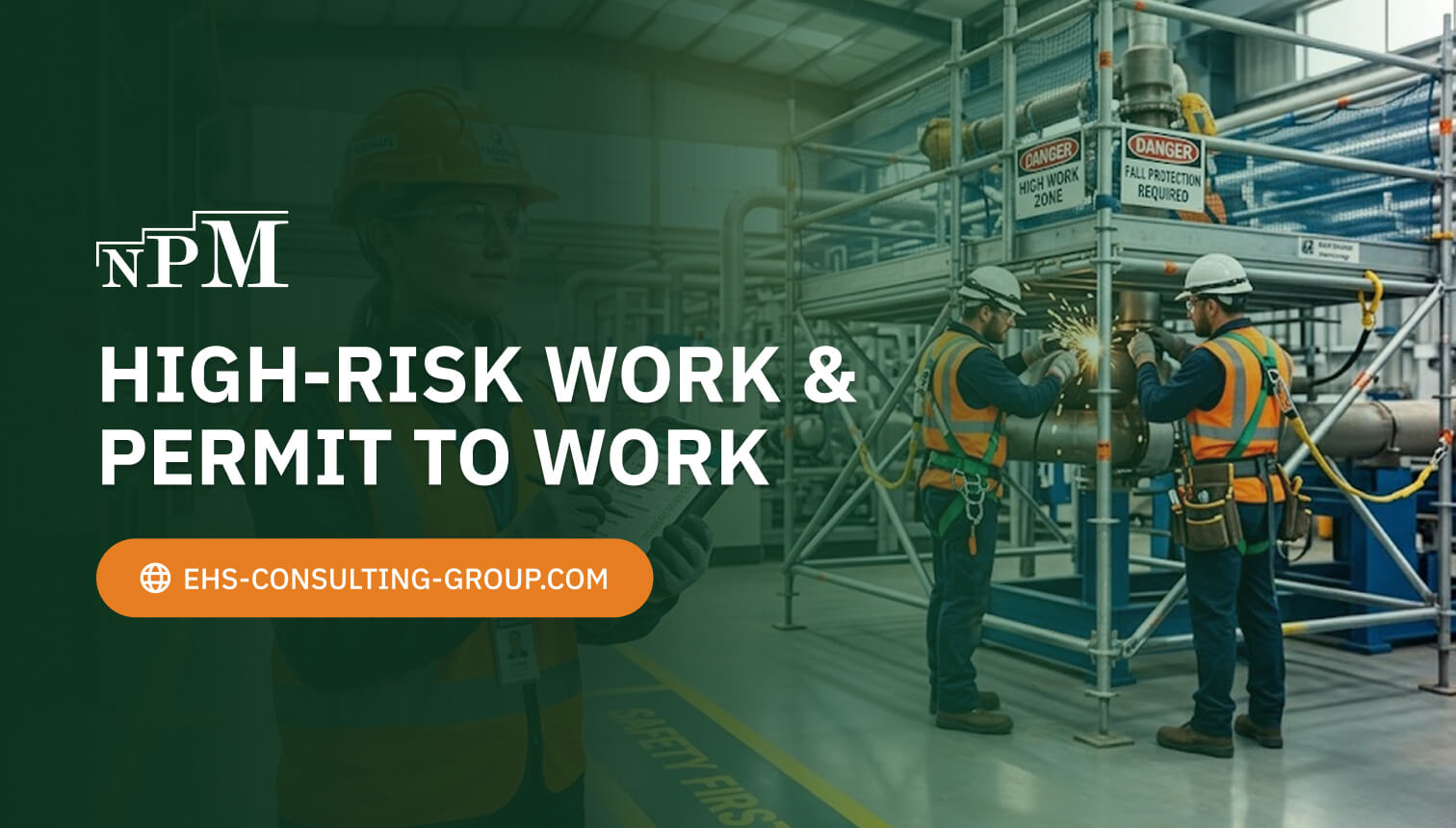
While operators are the most visible group around an elevated work platform, a comprehensive improvement initiative touches multiple roles and departments. Understanding this breadth is the first step to designing controls that actually work in the field and last beyond the initial rollout.
- HSE Managers and Advisors: Set standards, integrate MEWP risk controls into ISO 45001 systems, and coordinate audits across projects and business units.
- Plant Managers, Construction Managers, and Site Supervisors: Own the planning window—method statements, lift planning, site layout, and sequencing—so that elevated work is feasible and controlled.
- Permit-to-Work Coordinators and Area Authorities: Validate isolation, segregation, proximity to live plant, and environmental conditions (wind, ground bearing) before authorizing work at height.
- Maintenance and Engineering Teams: Specify equipment, ensure rated capacity/working envelope matches the task, and verify condition of pads, tires, outriggers, and safety devices.
- Training and Competency Coordinators: Gatekeep operator authorization, supervisor competency, and refresher cycles aligned with recognized schemes (e.g., IPAF concepts), adapted to company standards.
- Contractor Management and Procurement: Write MEWP-related requirements into prequalification, contracts, and site induction so supply chain practices match client rules.
- Electrical Safety and Utilities Liaisons: Control overhead power-line risks, isolation/earthing, and approach distances in line with local electricity authority rules and Civil Defence considerations.
The initiative also shapes how crane coordinators, logistics leads, and yard managers stage materials and manage traffic around MEWPs, particularly on congested refinery units, tank farms, and high-rise construction cores.
Why This Topic Matters

Work at height remains one of the top fatal and serious incident categories across the UAE’s construction and industrial sectors. With MEWPs now common at refineries, offshore modules under fabrication, manufacturing maintenance shutdowns, and distribution center racking projects, risk has shifted from ladders and scaffolds to powered access equipment. That change introduces new exposure pathways—platform entrapment against fixed steel, tip-over on weak ground, side loading during façade installation, and contact with energized conductors—each demanding deliberate planning and machine-specific control.
From a compliance perspective, regulators and stakeholders expect not only training certificates but also evidence of a functioning management system: risk assessments that anticipate MEWP-specific hazards; permits-to-work that factor wind limits and proximity to edges; operator authorization lists; supervisor verifications; and incident learning embedded into revised procedures. Whether answering to OSHAD mechanisms in Abu Dhabi, Dubai Municipality requirements, MOHRE oversight, or ADNOC’s HSE expectations on concession projects, organizations face a simple test: can they show how controls are designed, consistently applied, and improved?
Operationally, MEWPs can be productivity multipliers when selected and planned correctly—but downtime from near misses, platform damage, or last-minute rework (e.g., swapping a boom for a scissor due to outreach limits) undermines schedules and budgets. A sustained initiative brings predictability and confidence to elevated work, improving production throughput while strengthening safety performance.
Key Points to Understand

Building on the need and stakeholders above, the core of any improvement effort is a framework that organizes hazards, controls, and assurance activities. Five technical pillars generally structure a robust approach:
1) Hazard Landscape and Bowtie Thinking
Typical major accident scenarios for MEWPs include tip-over, platform entrapment (operator crushed against a structure), falls from the platform, falling objects, electrocution from overhead lines, uncontrolled movement due to slopes or ground failure, and collision with vehicles or plant. Using HAZID and bowtie techniques clarifies preventive barriers (e.g., correct machine selection, ground bearing checks, exclusion zones) and mitigative barriers (e.g., emergency lowering, platform intrusion alarms, rescue plans). In some facilities—especially petrochemical units—linking these scenarios to site Major Accident Hazard (MAH) studies creates alignment with broader risk frameworks like LOPA where relevant to ignition and process hazards nearby.
2) Regulatory and Standards Alignment in the UAE
Aligning internal rules with recognized references avoids fragmentation and audit findings. ISO 45001 structures management systems; OSHAD/Abu Dhabi EHS Center mechanisms and Dubai Municipality Codes guide local expectations; ADNOC HSE standards influence concession projects; and Civil Defence and electrical authorities shape power-line and fire response considerations. Internationally recognized good practices around MEWPs (e.g., operator authorization, pre-use checks, wind derating, emergency descent drills) should be translated into your internal procedures and site rules, with clear ownership and records.
3) Planning Controls and Work Authorization
Method statements and lift/positioning plans decide most MEWP outcomes before a key is turned. Planning should answer: Will the working envelope and load capacity suit the task? Are there entrapment risks (overhead steelwork, pipe racks, façade features) needing secondary guarding or spotters? How will ground bearing and slopes be controlled? Are approach distances to live plant, energized conductors, or unprotected edges respected? Is wind speed monitored at height, not just on the ground? Integrating these elements into permit-to-work and construction planning meetings makes controls visible and auditable.
4) Competency, Supervision, and Behavior
Competency is more than a wallet card. A mature initiative differentiates between machine categories (e.g., vertical, scissor, articulated boom, telescopic boom) and tasks (e.g., pipefitting, glazing) so authorizations reflect reality. Supervisors must be competent to challenge selections, stop unsafe setups, and verify emergency descent readiness. Behavioral reinforcement—short, focused briefings at the MEWP before work—reduces rule drift and keeps attention on the line-of-fire and platform housekeeping (e.g., preventing overreaching with powered tools).
5) Assurance, Data, and Learning
What gets checked gets better. Short, high-frequency checks by supervisors, periodic internal audits, and targeted KPI dashboards connect frontline practice to leadership oversight. Typical measures include platform entrapment near misses, emergency lowering drill performance, ratio of planned vs. unplanned machine swaps, wind-related stoppages vs. exposures, and defect trends from pre-use inspections. Incident reviews should explicitly test barrier performance against bowtie expectations and drive updates to procedures, training content, and procurement criteria.
A practical way to keep documents current and accessible is to centralize procedures, checklists, and visual standards in a controlled repository so crews and supervisors always see the latest approved versions. For example, teams often use an internal knowledge base similar in spirit to CABINET NPM to ensure version control, role-based access, and traceability of updates across projects and departments.
A Simple Governance Map
The following table illustrates core components many organizations include when formalizing their MEWP safety improvement governance. It is adaptable to refineries, construction sites, and warehouses alike.
| Initiative Component | Purpose | Typical Owners | Key Artifacts | UAE Touchpoints |
|---|---|---|---|---|
| Governance Charter | Define scope, roles, and objectives | HSE Manager, Project Director | RACI, policy statement | ISO 45001 clauses on leadership, consultation |
| Hazard and Barrier Model | Map critical scenarios and controls | Process Safety/HSE, Site Engineers | Bowties, HAZID register | ADNOC HSE, OSHAD mechanisms |
| Planning Standards | Embed controls into work prep | Construction/Plant Managers | Method statement templates, lift/positioning checklists | Dubai Municipality, Civil Defence where relevant |
| Competency Framework | Match authorizations to tasks/machines | Training/HR, HSE | Competency matrix, authorization list | MOHRE expectations for worker training |
| Assurance and KPIs | Monitor performance and compliance | HSE, Operations | Audit tools, dashboards | Internal/external audit readiness |
| Learning System | Close the loop on incidents | HSE, Line Supervisors | Root-cause reviews, alerts, updated SOPs | Corporate and regulator reporting |
How This Works in Practice

Translating the framework into everyday routines is where most organizations either find traction or stall. Success depends on integrating MEWP controls into existing planning and operating rhythms, not adding parallel processes that fatigue the workforce.
On a petrochemical turnaround, for example, the initiative starts well before the outage. Engineering teams specify task envelopes against the project’s work packs; procurement ensures rental contracts require specific safety options (e.g., secondary guarding, tilt alarms); and logistics block out laydown and access routes. During daily coordination meetings, supervisors review wind forecasts and allocate spotters to the riskiest areas—typically pipe racks with tight steelwork clearances. Permit coordinators add checks for isolation boundaries and ground condition verifications near culverts or backfilled trenches.
At a high-rise construction site, the weekly plan may phase façade installation so that heavier glass panes are handled with cranes at times of lower wind speeds, while lighter cladding panels go to boom lifts with exclusion zones beneath. Foremen verify that articulation paths do not encroach on tower crane slew radii, and that unfinished slab edges are protected by engineered edge restraint or a safe setback distance. The initiative makes these details routine: drawings include MEWP envelopes; layout plans show no-go areas near hoists; and pre-task briefings cover entrapment risks at each floor plate.
In a logistics warehouse, the risks are different but equally real. Scissor lifts operating in aisles can be struck by electric pallet jacks or forklifts if exclusion is weak. The initiative bakes in barricading standards, pedestrian/vehicle segregation rules, and light/alarms when platforms are elevated. Because the environment is indoors, airflow is limited and fumes are a concern for engine-driven units; therefore, electric MEWPs with appropriate charging infrastructure become the default, and daily pre-use checks include charger cable routing and battery condition to prevent unplanned failures at height.
An offshore module yard must consider environmental loads and surface conditions. Sloping or compacted yard surfaces, temporary steelwork, and gusting winds from open water present unique challenges. The initiative ties MEWP selection to granular surface bearing checks and codifies an elevated wind threshold for booms exposed to funneling gusts between modules, with a clear escalation path when conditions approach limits.
Across these scenarios, the common thread is that the improvement effort lives in planning documents, permits, and briefings that frontline personnel actually use—and in supervisor routines that verify controls before exposure begins.
Benefits and Practical Use Cases

When organizations implement a structured approach to improving MEWP safety, results typically manifest in both leading and lagging indicators. The benefits are not theoretical—they show up in schedules, budgets, and, most critically, the absence of life-altering events.
- Reduced Serious Incidents: Platform entrapment near misses fall as secondary guarding and spotter positioning become standard for congested steelwork jobs.
- Fewer Unplanned Equipment Swaps: Better machine selection in planning meetings reduces time lost to returning an undersized boom or swapping to a unit with greater outreach.
- Higher Permit Quality: Permit-to-work checks evolve from paperwork to field-verified controls, improving trust between operations and HSE.
- Improved Productivity: With predictable setups and clearer exclusion zones, crews spend less time negotiating ad-hoc arrangements and more time executing work safely.
- Audit Readiness: Traceable competency records, pre-use inspection logs, and KPI dashboards satisfy internal governance and regulator/owner expectations.
Realistic use cases illustrate the point. A refinery maintenance team preparing to access a fin-fan rack chooses an articulated boom to avoid overreaching beneath ducting and adds a spotter with a long-handled push-pole for gentle standoff guidance near pipework. In a metro rail project, contractors introduce an “entrapment scan” at each pier cap workfront, marking potential crush points in yellow tape before the shift begins. And in a manufacturing plant, when routine roof lighting maintenance coincides with a forecasted shamal, supervisors stage the work for early mornings, using onsite anemometers at elevation to verify conditions rather than relying on ground-level forecasts.
Designing a MEWP Safety Improvement Initiative: Best Practices and Points of Caution

By this stage, it’s clear that the most effective initiatives are specific and habit-forming. They evolve documentation, yes, but they also engineer better choices and more visible controls in the field. The following best practices and cautions come from repeated observations across UAE industrial projects.
- Start with a Targeted Hazard Review: Use HAZID and bowties to identify the most credible severe outcomes at your facilities. Entrapment in congested steelwork and power-line contact dominate many portfolios; tailor controls accordingly.
- Make Planning Tools Visual and Short: Replace multi-page prose with annotated drawings that show working envelopes, no-go areas, and entrapment hot spots. Supervisors and operators act on what they can see.
- Differentiate Competency: Machine categories and tasks vary—so should your authorizations. A glazing foreman on a 65-foot articulated boom faces different controls than a warehouse tech in a 19-foot scissor.
- Measure What Matters: Track entrapment near misses, emergency lowering drill results, and wind-related stand-downs vs. exposures. Use these signals to focus supervisory checks where they add the most value.
- Engineer the Environment: Physical segregation, edge restraints, ground improvement, and secondary guarding remove dependencies on perfect behavior. Where practical, prioritize engineered controls over administrative ones.
- Practice Emergency Descent: Drill it until it’s boring. Many entrapment fatalities involve delayed rescue. Supervisors should be able to lower a platform in seconds.
- Control Proximity to Energy: Treat overhead conductors and live plant as special cases. Establish approach distances and isolation expectations clearly within permits and briefings.
- Manage Wind at Height: Equip booms with elevation-level anemometers or adopt verified methods to check wind at height. Ground-level readings understate risk in urban canyons or near large structures.
- Keep Platforms Tidy: Loose materials and overreaching with long tools cause instability and falls from the platform. Include platform housekeeping in briefings and checks.
- Don’t Overload the System: Avoid adding forms for the sake of forms. Integrate MEWP controls into existing workflows—permits, planning meetings, and short pre-task briefings—so they stick.
Common pitfalls mirror the inverse of these points: excessive paperwork that frontline teams bypass, generic training records that don’t match the machines on site, and poor follow-through after incidents. Guard against these by making field leadership part of the design process and by testing new tools with pilot crews before scaling up.
Frequently Asked Questions About MEWP Safety Improvement
What is the difference between general work-at-height rules and a focused MEWP improvement initiative?
General rules set baseline expectations (e.g., fall protection, edge protection), while a focused initiative targets the unique hazards of powered access equipment—machine selection, envelope control, entrapment risks, wind effects, ground bearing, and emergency descent. It weaves these into planning, competency, and assurance so they become part of routine operations rather than exceptions.
Which UAE regulatory bodies and standards are most relevant to MEWP operations?
Key references include OSHAD/Abu Dhabi EHS Center mechanisms, Dubai Municipality requirements, MOHRE expectations for worker training and welfare, Civil Defence guidance where emergency response and fire safety intersect, and ADNOC HSE standards on concession projects. ISO 45001 provides the management system backbone to embed MEWP controls into documented processes, audits, and leadership reviews.
How do we decide whether a boom or scissor lift is appropriate for a task?
Base the decision on working height and outreach, obstacles, surface conditions, load capacity, and entrapment profile. Booms offer outreach but raise entrapment and wind sensitivities; scissor lifts suit vertical access but require attention to collapse risks in floor openings and aisle collisions. Annotated task drawings that show the working envelope and entrapment hot spots help drive the right choice during planning meetings.
What are the most important pre-use checks operators should perform?
Checks typically cover machine-specific safety devices (alarms, emergency stop and lowering), guardrails and gates, platform condition, controls and interlocks, tires/outriggers/pads, fluid leaks, and visible structural damage. Environmental checks include ground bearing, slope, overhead obstructions, approach distances to energized lines or live plant, and current wind conditions at elevation.
How should we approach wind limits and weather?
Use manufacturer limits as the non-negotiable ceiling and measure wind where the platform will work, not just at ground level. Urban canyons, nearshore environments, and between large structures can create gusting at height. Build wind checks into permits and supervisor verifications, and plan tasks to match forecast windows when feasible.
What role does emergency rescue play, and how often should we drill it?
Emergency lowering is a critical mitigative barrier for entrapment and medical emergencies at height. Drills should be frequent enough that supervisors can execute them smoothly under stress—monthly in many organizations, with quick refreshers when crews or machines change. Document outcomes to drive improvements in equipment selection and supervisor competency.
How do we manage MEWP risks around overhead power lines?
Adopt conservative approach distances, consider insulating barriers where appropriate, and coordinate with electrical authorities for isolation or de-energization when work encroaches on limits. Mark no-go zones on plans and in the field, and brief teams specifically on the route into and out of the work area as well as the task itself.
What KPIs best indicate that our initiative is working?
Leading indicators include high completion rates for emergency descent drills, decreasing entrapment near misses, fewer unplanned equipment swaps due to misselection, and strong compliance scores on supervisor checks. Lagging indicators include the absence of serious incidents and reduced downtime from MEWP-related events. Data should be trended and reviewed in management meetings to sustain focus and improvement.
Conclusion
Elevated work using MEWPs intersects engineering decisions, task planning, environmental conditions, and human behavior. A sustained initiative that formalizes hazard understanding, clarifies planning standards, differentiates competency, and continuously measures performance is far more effective than isolated reminders. In practical terms, that means fewer entrapments in congested steelwork, fewer tip-overs from marginal ground conditions, and smarter choices when wind or power-line proximity elevate risk. It also means better productivity: selecting the right machine the first time, staging exclusion zones efficiently, and drilling emergency lowering until it becomes muscle memory.
In the UAE’s regulated industrial environment—across refineries, offshore fabrication yards, high-rise construction, warehouses, and power plants—this approach aligns with ISO 45001 principles and satisfies the expectations of OSHAD/Abu Dhabi EHS Center, Dubai Municipality, MOHRE, Civil Defence, and ADNOC HSE standards. Most importantly, it builds a culture in which safe MEWP operation is the default, not an exception that depends on daily heroics or luck.
To go further on this topic, NPM’s broader Mobile Elevated Work Platform Training UAE page covers this in more depth.
Explore NPM’s References
Organizations strengthen their safety culture by learning from what works in the field. NPM’s references demonstrate how practical, evidence-based improvements take hold across industries and geographies, from complex MEWP access challenges in congested petrochemical units to high-rise façades where entrapment and wind exposure demand precise planning and disciplined supervision. Reviewing completed projects gives HSE managers and plant leaders confidence that structured initiatives—like the approach described in this article—can be adapted to your specific mix of assets, contractor ecosystems, and regulatory interfaces. It also shows how documentation, training, and assurance components link together so frontline teams are never guessing which version of a procedure applies, how permits should flow, or who owns rescue readiness for an elevated platform.
NPM’s portfolio spans turnaround environments where heavy maintenance compresses risk into tight windows, manufacturing plants balancing uptime with periodic elevated tasks, and logistics operations where aisle segregation and platform selection affect both safety and throughput. In each case, the through-line is a disciplined method: clarify hazards and critical controls, integrate them into planning and permits that crews actually use, differentiate competency, and then verify with focused field leadership. The references also illustrate how lessons learned from incidents—whether a near miss involving overhead obstructions or a wind-related stand-down—translate into updated standards and tangible field changes, such as secondary guarding specifications, improved anemometry, or revised exclusion zone design.
For more information about our references, visit Our References.
Speak with NPM
If you have questions about how to translate these ideas into your facility’s planning meetings, permits, and supervisor routines, NPM is available to discuss practical next steps. Whether you oversee a refinery unit, a construction program, or a distribution center, a brief conversation can clarify where small changes will have the biggest impact. For any further questions or to speak with our team, Contact Us.