
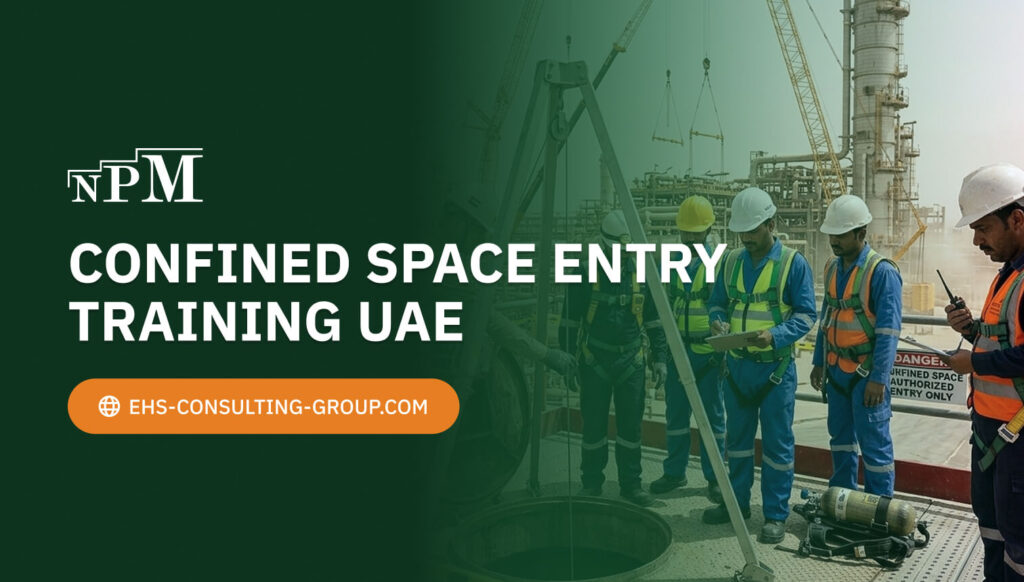
Confined Space Attendant Responsibilities are often discussed in the context of permits, gas testing, and rescue, yet the practical meaning of this role—and what “good” looks like on a live job—is still misunderstood across many industrial sites.
Who Does This Affect?

While the title “attendant” sounds singular, the implications of the attendant’s performance extend across the entire organization. In high-risk industries—Oil & Gas (onshore plants, offshore platforms, pipelines), Petrochemical (crackers, storage terminals), Power Generation (gas turbines, boilers), Manufacturing (process vessels, pits, silos), Construction (manholes, culverts, shafts), and Logistics (tanks, tankers)—a stand-by attendant is one of the last administrative layers preventing a confined space job from escalating into a multi-casualty event. The following groups have direct interest in getting this role right:
- HSE managers and supervisors who own the permit-to-work (PTW) system and ensure alignment with ISO 45001, OSHAD SF codes of practice, and ADNOC HSE requirements.
- Plant managers and operations leaders accountable for productivity and safe maintenance turnarounds in refineries, tank farms, and utility areas.
- Maintenance, inspection, and shutdown coordinators planning vessel entries, internal inspections, NDT works, or cleaning activities.
- Contractor supervisors controlling multi-employer works under MOHRE rules and Dubai Municipality guidance on construction safety.
- Emergency response teams and rescue coordinators ensuring retrieval readiness and interface with Civil Defence.
- Workforce representatives and safety committees monitoring compliance and competency across shifts.
Because the attendant must coordinate, observe, and escalate without entering the space, clarity on authority, communication channels, and escalation criteria is critical to everyone above—especially when multiple contractors operate under a common PTW and isolation regime.
Why This Topic Matters

If the entrant is the person at risk, the attendant is the person accountable for seeing the bigger picture of the job as it unfolds. Fatalities in confined spaces rarely stem from a single failure; they involve barrier erosion—poor isolation, misread atmosphere, uncontrolled hot work, inadequate ventilation, or a late alarm interpreted as “nuisance.” The attendant’s vigilance is one of the most important independent protections in the bowtie between credible hazards (oxygen deficiency, flammable atmospheres, toxic exposures like H2S, CO) and severe consequences (asphyxiation, fires, explosions, multiple fatalities during rescue attempts).
From a compliance perspective, OSHAD’s System Framework (particularly the Confined Space Code of Practice), ADNOC’s applicable Codes of Practice, and guidance aligned to NFPA 350 set expectations on controls, competence, and rescue preparedness. Beyond compliance, there are operational stakes: a poorly coordinated evacuation can destroy equipment, extend outages, and require regulator notification. Conversely, a well-prepared attendant keeps the job stable, navigates abnormal conditions early, and coordinates clean handovers across shifts without losing situational context.
Finally, responsible organizations recognize that the attendant is not a “spare pair of eyes.” This function requires competence in hazard recognition, PTW discipline, atmospheric monitoring interpretation, and emergency coordination. Treating the role as administrative filler undermines the entire system of work and often surfaces only after a near-miss or incident investigation.
Key Points to Understand

Building on the stakes above, it helps to frame the attendant’s role across the full lifecycle of an entry—from planning through post-job learning—rather than treating it as a static, watch-and-wait job. The key elements below reflect common expectations in ISO 45001-compliant management systems and UAE regulatory practice.
1) Authority, Accountability, and Independence
The attendant is positioned outside the confined space with clear authority to stop work and initiate evacuation. This is not discretionary: if gas readings trend toward limits, if ventilation is lost, if unapproved hot work begins, or if any entrant appears distressed, the attendant must act. Independence matters; the attendant must not be assigned tasks that divert attention (e.g., tools running, parallel rigging jobs, or administrative errands). In ADNOC-governed assets and many OSHAD-aligned facilities, this authority is visibly documented on the PTW and job risk assessment (JRA) and confirmed during toolbox talks.
2) Permit-to-Work (PTW) Integration
Attendants are the “live link” between what the PTW states and what conditions actually look like. They verify that prerequisites are met before allowing entry: isolations in place and locked out; atmospheric testing completed per procedure; ventilation installed and operating; rescue plan and equipment staged; communication method tested; and all entrants logged. The attendant’s PTW discipline reduces common failure modes like expired permits, uncontrolled simultaneous operations (SIMOPS), and undocumented scope creep.
3) Atmospheric Monitoring and Interpretation
Knowing how to read gas detection is not enough; the attendant must understand what the numbers mean. Typical criteria include oxygen between 19.5% and 23.5%, combustible gases below a defined percentage of LEL (often 10% action, per local company standard), and toxics below occupational exposure limits. Trending matters: a slow upward drift toward an alarm is as meaningful as a sudden excursion. The attendant ensures instruments are bump-tested, calibrated per schedule, and used according to manufacturer instructions. Where continuous monitoring is not possible, intermittent tests must be scheduled at intervals that suit the hazard profile, not convenience.
4) Communication and Accountability for Headcount
Effective attendants maintain positive communication with entrants at all times and track who is in the space, where, and for how long. Methods range from hardline radios to intrinsically safe handhelds or visual signals in high-noise settings. A robust sign-in/out system—mirrored in the PTW—prevents the most tragic error: initiating rescue or closing out a job with people still inside. On offshore platforms and refinery shutdowns, coordination with the control room and the area authority keeps the bigger SIMOPS picture in scope (e.g., depressurization, nitrogen purging, or startup tests elsewhere on the unit).
5) Abnormal and Emergency Response
The attendant’s job is not to enter the space for rescue; it is to trigger and coordinate the rescue plan. This includes summoning the rescue team, operating retrieval devices (tripod, winch, SRL) for non-entry retrieval when possible, and guiding responders with accurate information (location, number of entrants, gas readings, PPE worn). In the UAE, the plan should reflect how internal first responders interface with Civil Defence and the facility’s incident command structure. Timely, accurate communication can prevent well-intentioned but deadly “impulse rescues.”
6) Documentation and Learning
Attendants maintain logs: gas test readings, entrant headcount, times, interruptions, and any deviations. After the job, their insights often explain why a control worked or drifted. Integrating these records into the organization’s learning system—incident investigations, bowtie reviews, and updates to the Confined Space Code of Practice—closes the loop. Documentation also supports regulator inquiries (e.g., OSHAD or Dubai Municipality) and client/operator audits.
Organizations that treat documentation as a living control often use structured repositories with version control and permissioned access; for example, knowledge and document systems such as CABINET NPM can help standardize how procedures, permits, and learning records are stored and retrieved across teams. Whatever platform is used, the principle is the same: make the correct, current procedure easy to find at the job site.
7) Typical Metrics and Decision Criteria
In addition to gas reading thresholds, attendants reference criteria such as ventilation rates (air changes per hour), maximum occupancy of the space, and time-based controls (rest breaks, duration of continuous work). They may also verify isolation integrity through “try” steps (e.g., cracking a drain to check for residual hydrocarbons) as specified in the JRA. Where toxic gases like H2S are credible, attendants must enforce respiratory protection transitions (e.g., APR to SCBA) once alarm levels are reached.
| Entry Lifecycle Stage | Attendant Primary Focus | Key Records/Inputs |
|---|---|---|
| Planning | Understand hazards, access, egress, rescue plan | JRA/HAZID, drawings, SDS, previous entry reports |
| Pre-Entry | Verify PTW, isolations, atmosphere, ventilation, communication | PTW, LOTO tags, gas test certificates, ventilation checks |
| During Entry | Continuous monitoring, headcount, SIMOPS watch, drift detection | Gas monitor logs, entrant log, radio checks |
| Abnormal Conditions | Stop work, evacuate, escalate per plan | Alarm logs, escalation matrix, rescue contacts |
| Emergency | Initiate non-entry rescue, inform command, coordinate responders | Rescue plan, equipment inspection records, site maps |
| Post-Entry | De-brief, record lessons, close PTW | Post-job report, incident/near-miss records, photos |
How This Works in Practice

Turning principles into practice means aligning procedures, competence, and supervision in the field. Consider a typical petrochemical tank entry during a turnaround. A nitrogen purge is complete, isolations are locked and tagged, and ventilation is running. The attendant verifies initial gas readings (oxygen restored to safe range, flammables below action limits, toxics at acceptable levels) and notes the ventilation configuration. Radios are checked, and the rescue tripod with retrieval winch is staged over the manway.
As the job proceeds, the attendant is not a passive observer. They watch for changes in work scope (e.g., switching from inspection to grinding), adjust controls accordingly (verify hot work permit, fire watch, and compatible ventilation), and update entrants on any SIMOPS that could introduce new energy (pump starts, upstream line clearing). If the atmosphere begins to trend—say, combustible readings inch from 0% LEL to 6%—the attendant pauses the job, confirms ventilation, and requests a re-test at multiple elevations and recesses inside the tank. If the drift persists, evacuation occurs prior to reaching 10% LEL action level per site standard, avoiding both alarm fatigue and unnecessary risk.
Confined spaces in construction present different wrinkles. Consider a deep manhole on a brownfield site where sewer gases and oxygen depletion are credible. The attendant may rely on a pumped sample before entry, then continuous sampling at the base level once entrants are inside. Traffic control, ground stability, and weather can compromise egress and communications; the attendant’s surveillance must extend beyond the opening, watching for vehicle encroachment or water ingress that could trap entrants below grade.
On offshore platforms, operational complexity rises. The attendant coordinates with the control room for rotating equipment, ensures intrinsically safe communications, and verifies that emergency muster routes remain clear. Wind conditions can alter ventilation effectiveness, and helideck operations can create SIMOPS that require extra vigilance. In such contexts, a disciplined attendant acts as part of the platform’s barrier model under IEC 61511/functional safety thinking: independent, alert to common-cause failures, and ready to escalate.
Benefits and Practical Use Cases

Competent attendants produce tangible improvements across safety, compliance, and reliability. These benefits are not abstract; they emerge daily in specific, repeatable scenarios:
- Early abnormal detection: Spotting a subtle change in gas readings prevents a fire hazard during internal weld repairs in a refinery column.
- SIMOPS stability: Coordinating with control rooms avoids inadvertent line pressurization while a pipeline pig receiver is open for cleaning.
- Rescue readiness: A quick, non-entry retrieval using a tripod averts secondary exposure during a sudden oxygen drop in a silo.
- Regulatory assurance: Accurate logs and adherence to OSHAD and ADNOC CoP expectations streamline internal and regulator audits.
- Operational continuity: Disciplined headcount and shift handover prevents restarts with unaccounted personnel in a vessel, avoiding catastrophic outcomes.
- Learning loop: Post-job observations feed into bowtie reviews and JRAs, steadily improving barrier integrity at similar spaces.
These use cases translate across sectors. Cleaning heat exchangers in a gas plant, recoating internal tank walls in a storage terminal, or performing NDT in a confined culvert on a construction site—all benefit from an attendant who understands hazards, trends, and escalation. Over time, strong attendant practice reduces incident frequency and severity while maintaining productive turnaround schedules.
Best Practices and Points of Caution

The best attendants combine technical understanding with disciplined habits. The following practices capture both dimensions:
- Pre-job mapping: Walk the space surroundings to identify secondary hazards (vehicle traffic, unsecured loads, steam lines), then adjust the entry plan.
- Instrument discipline: Confirm calibration/bump-test status and ensure sensors are suited to the hazard (e.g., H2S-specific vs general PID).
- Ventilation strategy: Position extraction to draw from dead zones; use smoke tubes or anemometers to confirm air movement reaches recesses.
- Scope control: When tasks evolve (e.g., inspection to hot work), stop and re-validate permits, isolation boundaries, and fire watch arrangements.
- Non-entry mindset: Practice winch drills and radio protocols; resist heroic impulses that create multiple casualties.
- Shift handover: Use a structured checklist: current entrants, work status, latest gas readings, equipment state, pending SIMOPS, rescue readiness.
Points of caution often emerge during busy shutdowns:
- Divided attention: Assigning the attendant secondary tasks (tool running, materials handling) degrades vigilance—avoid at all costs.
- Normalization of deviance: Tolerating minor alarms or small deviations becomes the new normal; hold the line on action thresholds.
- Communication failure: High-noise areas and incompatible radios break the chain; test signal clarity and have redundancy (hand signals, backup radios).
- Unverified handovers: Incomplete logs at shift change erase context; codify handover content and require a brief joint review.
- Rescue drift: Rescue gear stores dust; inspect and function-test each shift, including harness fit checks for entrants.
- Overreliance on single readings: Spot checks can miss stratification; require multi-level sampling and continuous monitoring for high-risk atmospheres.
Finally, remember that standards evolve. NFPA 350 guidance on atmospheric testing and ventilation, along with insights from incident investigations, should periodically inform updates to your Confined Space Code of Practice. In the UAE, align revisions with OSHAD SF updates, Dubai Municipality advisories, and ADNOC-specific requirements within your asset portfolio.
Frequently Asked Questions About Confined Space Attendant Responsibilities
Can the attendant perform other tasks while monitoring a confined space entry?
No. The attendant’s primary duty is continuous monitoring and coordination. Assigning additional tasks (e.g., running tools, paperwork away from the entry point) divides attention and undermines hazard detection, communication, and emergency response.
Is the attendant allowed to enter the confined space to assist in an emergency?
Under standard practice, the attendant does not enter. They initiate rescue, operate non-entry retrieval systems if available, and inform the rescue team. Unplanned “impulse entry” by attendants is a common factor in multiple-fatality events and should be explicitly prohibited except under a separate, controlled rescue entry by trained responders.
What qualifications or training are expected for an attendant?
Attendants should be competent in hazard recognition (oxygen deficiency, flammables, toxics), PTW procedures, gas detection use and interpretation, communications, and rescue initiation. Many organizations align competencies to ISO 45001-based frameworks and local regulatory expectations (OSHAD, ADNOC, Dubai Municipality). Site-specific familiarization is also essential.
How often should atmospheric tests be conducted during entry?
High-risk spaces typically require continuous monitoring. If only intermittent testing is feasible, the frequency should reflect the hazard profile, potential for stratification, and process history of the space. Always test at multiple elevations and recesses, especially in large or complex geometries.
What communication methods are acceptable between the attendant and entrants?
Acceptable methods include hardline systems, intrinsically safe radios, and visual signals where noise or intrinsically safe constraints apply. The method must be tested pre-entry and remain reliable under expected conditions (noise, distance, interference). Redundant communication is recommended for critical jobs.
How does the attendant interface with SIMOPS or control rooms?
The attendant should maintain a direct line to the area authority or control room where applicable, particularly during turnarounds or offshore operations. They relay status updates, confirm isolation boundaries, and receive notices of activities that could affect entry conditions (e.g., purges, pump starts).
What are common trigger points for evacuation initiated by the attendant?
Typical triggers include gas readings trending toward limits, loss of ventilation, evidence of uncontrolled hot work or ignition sources, entrant distress, PTW violations, or new hazards introduced by SIMOPS. Evacuation criteria should be documented in the PTW and toolbox briefing.
How should multiple contractors be coordinated at a single entry point?
Use a unified PTW, common headcount log, and a single designated attendant with clear authority. Align communication protocols and ensure all contractors acknowledge the same escalation criteria and rescue plan during the pre-job briefing.
Bringing the Threads Together
The practical picture that emerges is consistent across sectors: the attendant is a live barrier that transforms procedures into reliable protection. From verifying isolations and atmosphere to decoding subtle trends, stopping work decisively, and initiating rescue without hesitation, this role holds the center of gravity in confined space jobs. In earlier sections, we explored authority and independence, PTW discipline, atmospheric monitoring, communications, abnormal condition response, documentation, and real-world use cases across refineries, storage terminals, construction sites, and offshore assets. When these elements come together, they harden your system of work and reduce the chance that a routine internal inspection becomes a headline incident.
For organizations aligning with OSHAD, ADNOC Codes of Practice, Dubai Municipality guidance, MOHRE requirements, NFPA 350, and ISO 45001, clarity on the attendant’s remit should be codified and practiced, not just written on a permit. Competence, attention, and well-rehearsed escalation save lives. If you are revisiting your procedures, verifying field readiness, or refreshing toolbox content, the practical insights around Confined Space Attendant Responsibilities in this article offer a strong basis for discussion and improvement.
To go further on this topic, NPM’s broader Confined Space Entry Training UAE page covers this in more depth.
Explore NPM’s References
NPM’s work in high-risk industries has consistently emphasized the translation of written controls into dependable field practice. Our portfolio demonstrates how robust confined space management—supported by well-defined attendant roles—improves safety performance without sacrificing operational tempo. Across oil refineries conducting turnarounds, petrochemical complexes inspecting internal vessels, offshore platforms navigating SIMOPS, and large construction projects managing deep excavations and culverts, NPM has helped teams clarify roles, align PTW systems, and strengthen emergency readiness. This includes developing practical checklists for attendants, integrating atmospheric monitoring strategies into JRAs, and building shift-handover routines that carry situational awareness across crews and contractors. We focus on embedding learning: post-entry reviews, incident and near-miss analysis, and bowtie updates that keep procedures relevant to dynamic risks. Our global references also highlight successful integration with corporate management systems aligned to ISO 45001 and local regulatory regimes, ensuring consistency whether the work is onshore or offshore, brownfield or greenfield. The breadth of our portfolio illustrates how consistent principles—authority to stop work, independent vigilance, timely escalation—scale across different facilities, geographies, and contractor models, and how they translate into measurable reductions in incident potential. We invite you to explore where these principles have been applied, stress-tested, and refined in complex, real-world environments worldwide.
For more information about our references, visit Our References.
Speak with NPM
If you would like to discuss how these practices map to your specific assets, entry types, and contractor arrangements, our team is available to share practical insights. Whether you are updating a Confined Space Code of Practice or stress-testing rescue readiness, we are glad to offer perspective grounded in field realities. For any further questions or to speak with our team, Contact Us.